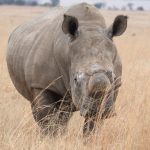
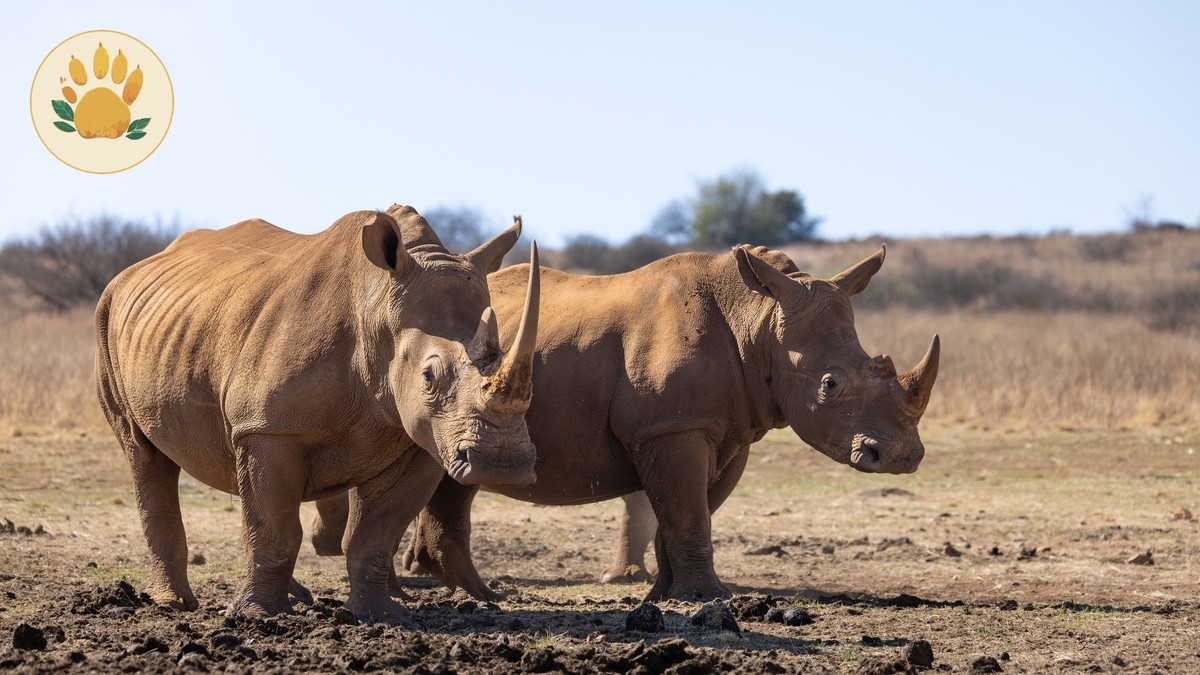
An Ol Pejeta northern white rhino visit takes you to Laikipia, Kenya, to meet the world’s last two northern white rhinos. Najin and Fatu live inside a protected 700-acre enclosure on Ol Pejeta Conservancy, guarded by keepers day and night. A visit is scheduled and supervised, and it is nothing like a normal stop on a game drive.
The published fee for this experience is $70 per adult and $35 per child, plus conservancy entry and transport. This guide covers what that fee buys, the official time slots, how to book, how to reach Ol Pejeta from Nairobi or Nanyuki, and how to behave around Najin and Fatu. Use it as a plan, then confirm the details before you travel.
1. What to expect from the Ol Pejeta northern white rhino visit
The visit takes you to a protected enclosure to meet Najin and Fatu, the world’s last two northern white rhinos. A keeper-led experience usually lasts about 45 to 60 minutes and explains their individual stories, daily care, and the conservation work supporting their survival. In suitable conditions, visitors may leave the vehicle under staff instructions.
Expect a controlled encounter, not a spontaneous sighting. The visit often begins with a short briefing near the enclosure. Staff update you on the rhinos’ health and current security measures. Then you watch the pair from a designated point, sometimes on foot. Keepers may feed carrots when the visit is approved. Not every visit follows the same script.
Allow one hour for the experience itself. Add transfer time from your camp, the briefing, and a possible wait at the enclosure. When you plan a safari, treat this activity as a morning or afternoon block, not a small side stop.
2. Where and when to see Najin and Fatu
Najin and Fatu live in Ol Pejeta’s 700-acre northern white rhino enclosure. Official visitor windows are 8:30 to 9:30am, 11am to 12pm, 3 to 4pm, and 4:30 to 5:30pm, although availability can change. Confirm the slot when booking because the visit is scheduled, supervised, and not the kind of stop you can add after arriving at the gate.
The enclosure sits within the conservancy’s main wildlife area. If you stay at a camp inside Ol Pejeta, such as Sweetwaters Serena Camp, the drive becomes part of a normal game drive. If you stay outside in Nanyuki, your driver must arrive with the correct booking and enough time to reach the enclosure.
Availability is never guaranteed, even with a confirmed window. Conservation work and veterinary checks can change the day. Build flexibility into your Laikipia itinerary so one shift does not ruin your whole plan.
3. Cost and how to book
The northern white rhino experience is commonly listed at about $70 for adults and $35 for children, excluding conservancy entry, transport, accommodation, and other activities. Book in advance through Ol Pejeta or a safari operator, then verify the current tariff and time slot directly because published third-party prices can change.
The $70 activity fee and the Ol Pejeta entry fee are separate charges. Ol Pejeta is a private conservancy, not a Kenya Wildlife Service park. Non-resident entry is set by the conservancy, and rates can change by season. As an indicative range, expect the adult day rate to be roughly $70 to $100. Recheck that figure before booking.
| What you pay for | Typical non-resident price | Notes |
|---|---|---|
| Northern white rhino visit, adult | $70 | Keeper-led visit, roughly 45 to 60 minutes |
| Northern white rhino visit, child | $35 | Usually the same supervised visit; age limits confirmed at booking |
| Ol Pejeta entry fee, adult per day | Roughly $70 to $100 | Indicative private conservancy rate, separate from the activity fee |
| Vehicle and guide inside Ol Pejeta | Operator quote | Usually required unless you drive your own vehicle |
Your safest booking route is to ask for a confirmation with three details: date, time window, and total per person. When SafariPure arranges a Laikipia safari, the entry fee and the rhino visit fee are listed separately so you know what you are paying.
To compare this activity with tracking rhinos on foot, read our guide to Ol Pejeta rhino tracking cost. If you are budgeting a longer stay, the full Ol Pejeta safari cost breakdown is a more useful starting point.
4. Nairobi to Ol Pejeta: road and flight logistics
Ol Pejeta is roughly 220 km from Nairobi, normally around four hours by road via Nanyuki, depending on traffic and road conditions. Flying to Nanyuki Airstrip is faster, followed by a short transfer into the conservancy. From a conservancy camp or lodge, the rhino enclosure is typically reached as part of a morning or afternoon drive.
Most Nairobi departures use the A2 highway through Thika and Nyeri before dropping toward Nanyuki. The last stretch from Nanyuki town to the conservancy gate is short, usually 20 to 40 minutes when traffic is normal.
Daily scheduled flights from Wilson Airport in Nairobi land at Nanyuki Airstrip. Add a transfer by vehicle after landing. For a single visit, flying often works better than a long road day. For travelers already heading north from the Mara, the road route fits naturally into a longer Laikipia safari circuit.
If you base yourself inside Ol Pejeta, you avoid a second gate entry and your camp driver handles the timing. Staying outside costs less in some cases but adds pressure to your schedule.
5. What to bring and how to behave around the rhinos
Bring neutral clothing, a hat, sunscreen, sunglasses, binoculars, a camera, and identification documents. Follow the keeper’s instructions at every stage: visitors may sometimes approach on foot or feed carrots, but conditions can require everyone to remain in the vehicle. Keep children controlled, avoid sudden movements, and never treat the encounter as a self-guided animal interaction.
Wear layers. Ol Pejeta sits high on the Laikipia plateau, so mornings can be cool and afternoons hot. Long sleeves protect your arms in an open vehicle. A scarf or buff helps with dust on dry roads.
Cameras are welcome. A telephoto lens helps because distances vary with the animals’ mood. Binoculars let you watch the pair while the keeper talks.
Photographers who want fixed sightlines should consider the separate Ol Pejeta photography hide. It is another booking, but it pairs well with the rhino enclosure visit on a fuller day.
Children can join, but prepare them first. This is a conservation story, not a petting encounter. The visit is short and factual. It becomes memorable when children can sit quietly and listen.
6. Why Ol Pejeta protects the last northern white rhinos
Ol Pejeta protects Najin and Fatu because they are the last two living northern white rhinos and both are female, so natural reproduction cannot restore the subspecies. Their enclosure, veterinary care, round-the-clock protection, and assisted-reproduction research support a wider effort to preserve northern white rhino genetics and prevent total extinction.
Najin and Fatu are mother and daughter. Their story is often told through Sudan, the last male, who lived on Ol Pejeta until his death in 2018. Since then, scientists have focused on in-vitro fertilization and embryo transfer using southern white rhino surrogates. The science is slow and not guaranteed.
Seeing them changes how you understand extinction. You are not watching a performance. You are standing next to an animal with no wild population left. That is why the conservancy controls the experience so carefully. The $70 fee supports keepers, veterinary work, and research that give the project a chance.
Plan your visit around a longer Laikipia safari
SafariPure does not sell the northern white rhino visit as a loose add-on. It works best as one block inside a wider Ol Pejeta and Laikipia safari. Confirm the current fee and time slot before you set your travel dates. Then build the day around the enclosure, with room for rhino tracking, the photography hide, or time at a camp waterhole.
Start with the days you want in Laikipia and ask SafariPure to check the latest rhino visit details. The contact page is the fastest way to begin. A proper plan starts with a booked slot, not a hopeful game drive.